Creating the Perfect Playroom
A well-designed playroom is not just about having a room full of toys. It is about creating a space where children feel free to explore, create, and let their imaginations run wild, while parents can keep things reasonably organized. Here is how to build a playroom that works for both.
Start With Zones
The best playrooms are divided into activity zones rather than being one open space. Think about what your child actually does: active play, quiet reading, arts and crafts, and imaginary play all need different setups.
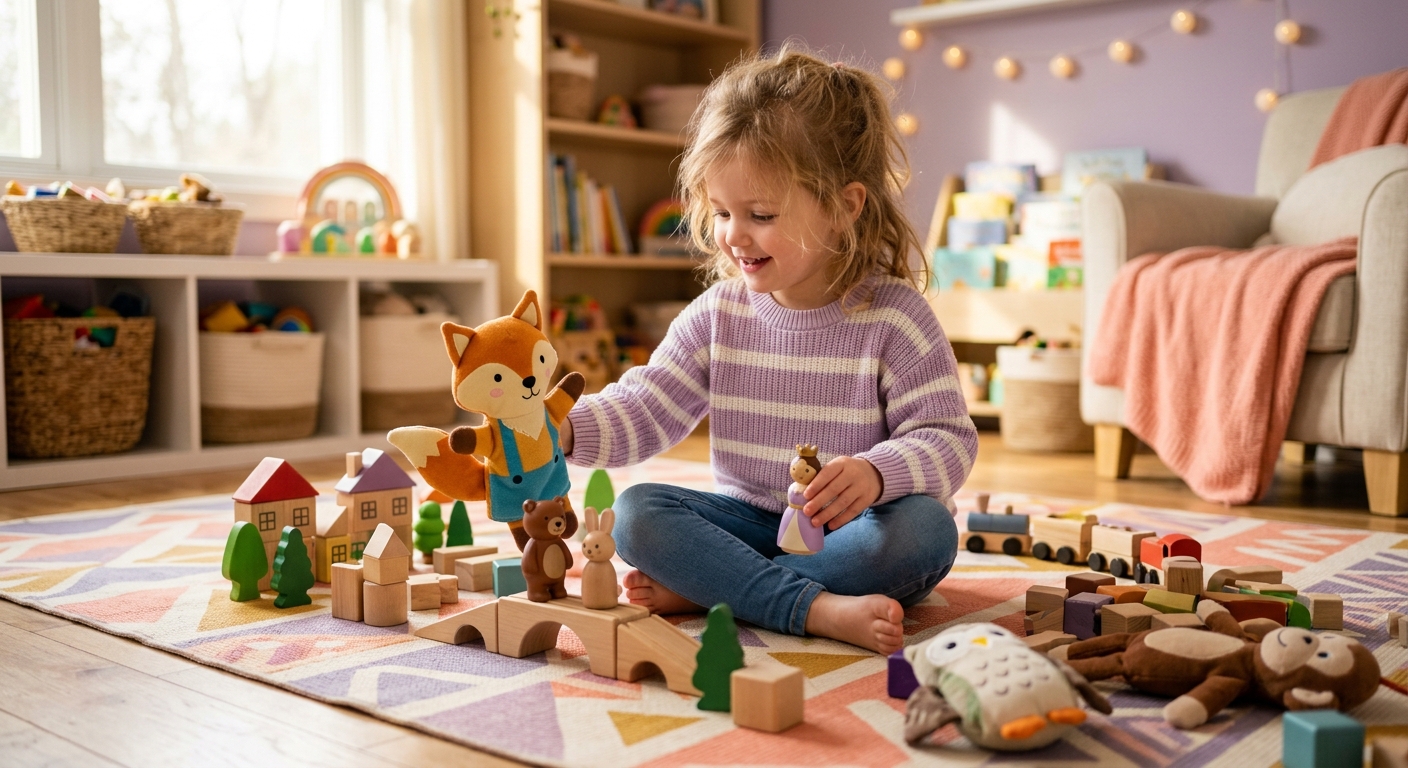
- Active play zone: Open floor space with a play mat for building, rolling, and moving
- Quiet zone: A reading nook with cushions and a small bookshelf at child height
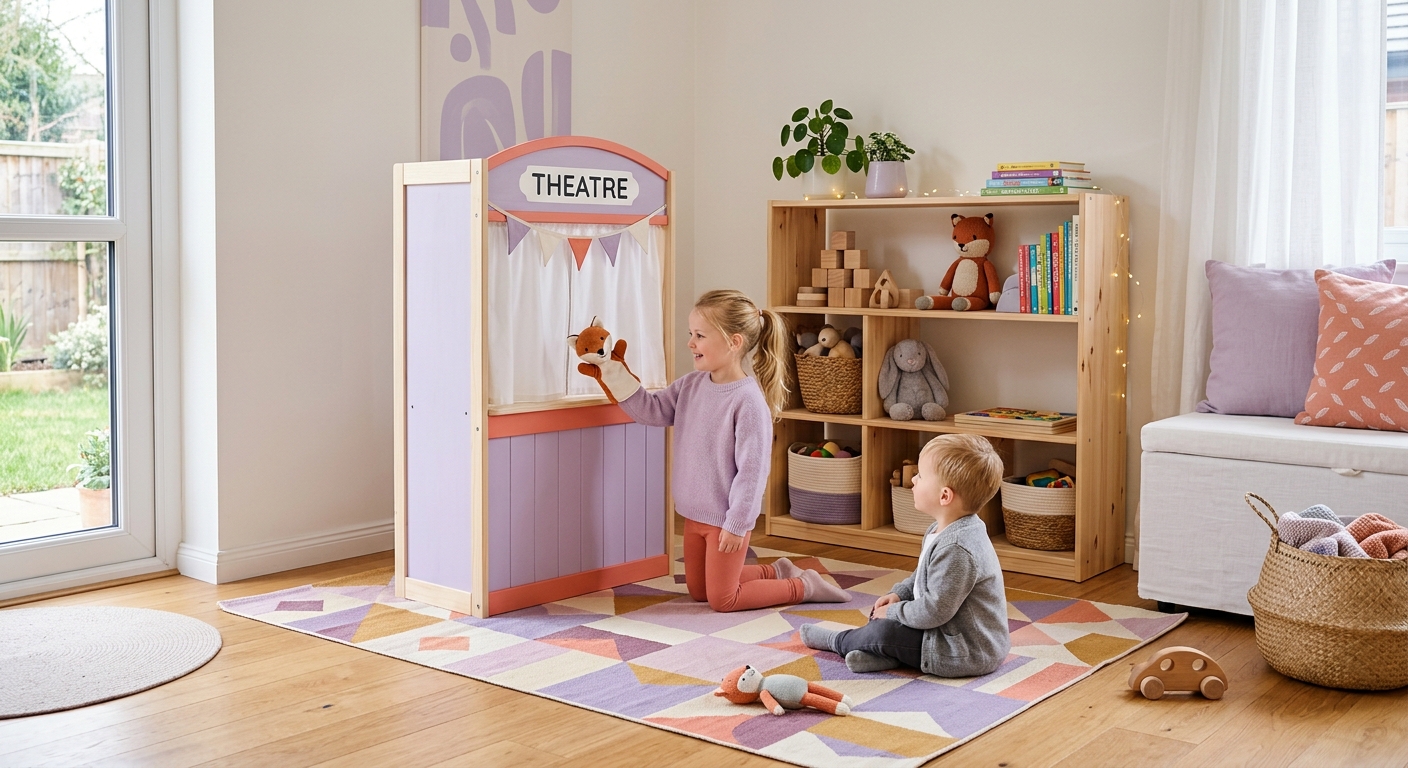
- Imaginary play zone: Space for a puppet theater, play tent, or dress-up corner
- Creation zone: A small table for drawing, building, and crafting
Storage That Kids Can Actually Use
The biggest mistake parents make is installing storage that only adults can reach. If a child cannot put something away themselves, it will not get put away. Use low shelves, labeled bins with pictures, and open baskets that make cleanup intuitive.
Choose Multi-Functional Pieces
A puppet theater that folds flat for storage. A play mat that doubles as a rug. A reading cushion that works as extra seating. Multi-functional pieces keep the room flexible as your child grows and interests change.
Keep It Bright and Inviting
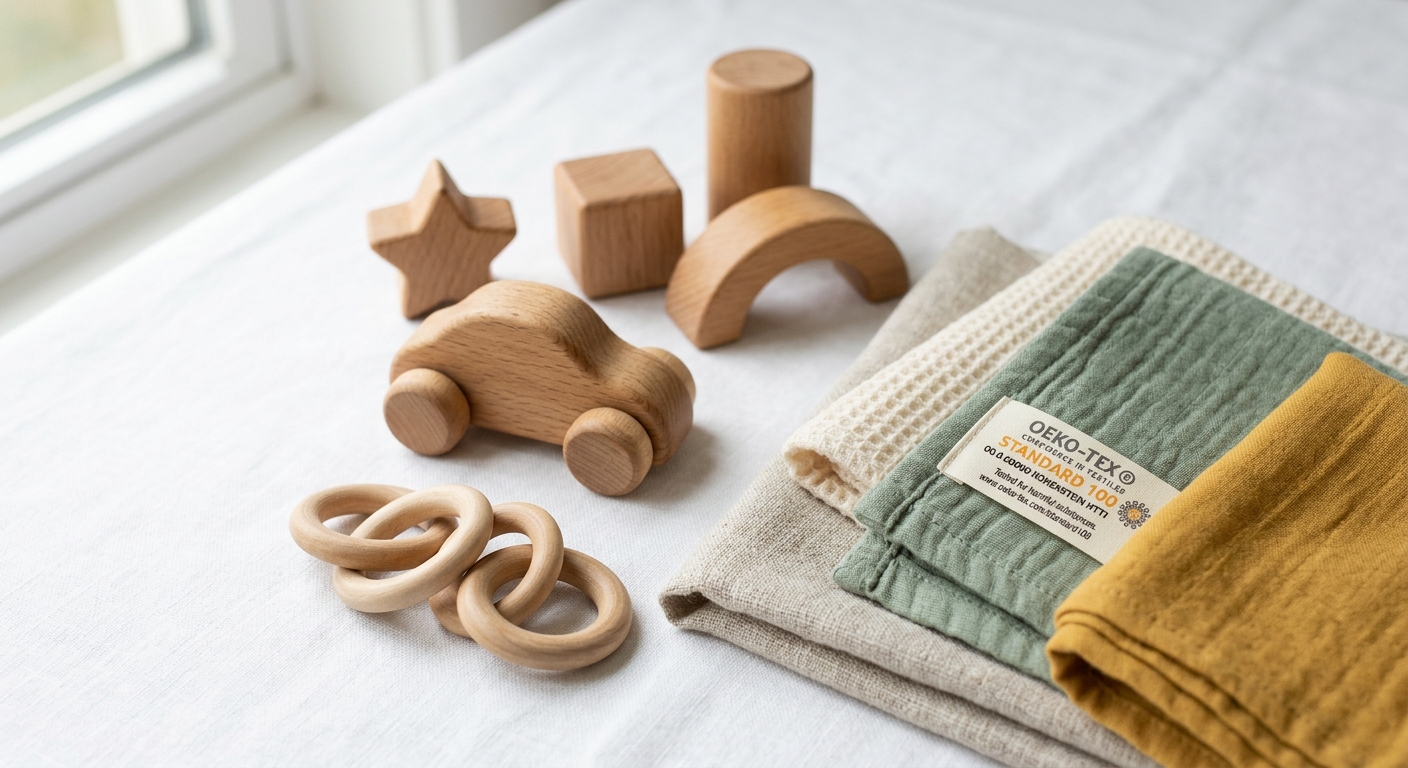
Natural light, warm colors, and child-safe materials make a playroom feel welcoming rather than overwhelming. Avoid cluttering every surface with toys. Rotating toys every few weeks keeps the space fresh and reduces decision fatigue for young children.
A playroom does not need to be perfect. It needs to be functional, safe, and inspiring. Get the zones right, make storage accessible, and the rest will follow.